

A new exhibition by a new collective.
Four artists, four ways of seeing, four new works.
Bezoek / Visit
Locatie / Location
FAAM @ VechtclubXL
Europalaan 2b
Utrecht
Data / Dates
11.09 – 09.10
Openingstijden / Hours
wo / Wed · vr / Fri · za / Sat · zo / Sun
13:00 – 18:00
On September 18th we are open from 17:00 to 22:00.
On September 20th we are open from 11:30 to 16:30.
The finissage on October 9th runs from 15:00 to 20:00.
Aanwezig / Hosted by
| 11.09 | vr / Fri | Opening expo 16:00–20:00 |
| 12.09 | za / Sat | Tijn Maria |
| 13.09 | zo / Sun | Dewi Mac Donald |
| 16.09 | wo / Wed | FAAM |
| 18.09 | vr / Fri | Siré Mane 17:00–22:00 |
| 19.09 | za / Sat | Dewi Mac Donald |
| 20.09 | zo / Sun | Lucas Dekker 11:30–16:30 |
| 23.09 | wo / Wed | FAAM |
| 25.09 | vr / Fri | Siré Mane |
| 26.09 | za / Sat | Lucas Dekker |
| 27.09 | zo / Sun | Tijn Maria |
| 30.09 | wo / Wed | FAAM |
| 02.10 | vr / Fri | Siré Mane |
| 03.10 | za / Sat | Dewi Mac Donald |
| 04.10 | zo / Sun | Lucas Dekker |
| 07.10 | wo / Wed | FAAM |
| 09.10 | vr / Fri | Finissage 15:00–20:00 |
Programma / Workshops
Opening
The opening evening of the exhibition, with the whole collective present.
Workshop: Cyanotype & Clay
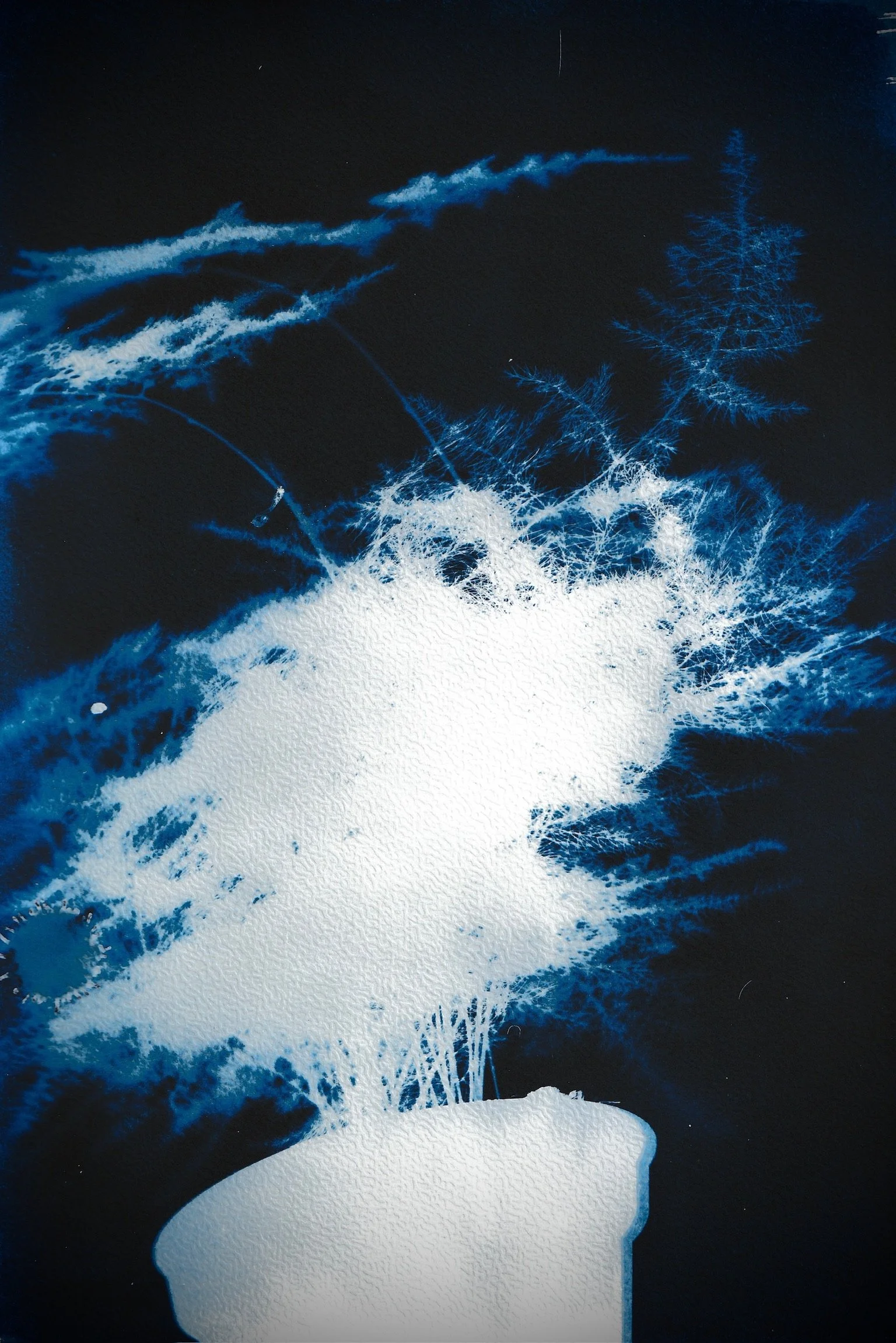
Get to work with clay and cyanotype and, like us, try to capture nature.
Sign up →Workshop
More information coming soon.
Finissage
The closing evening of the exhibition, with the collective present.
Foto's / Gallery
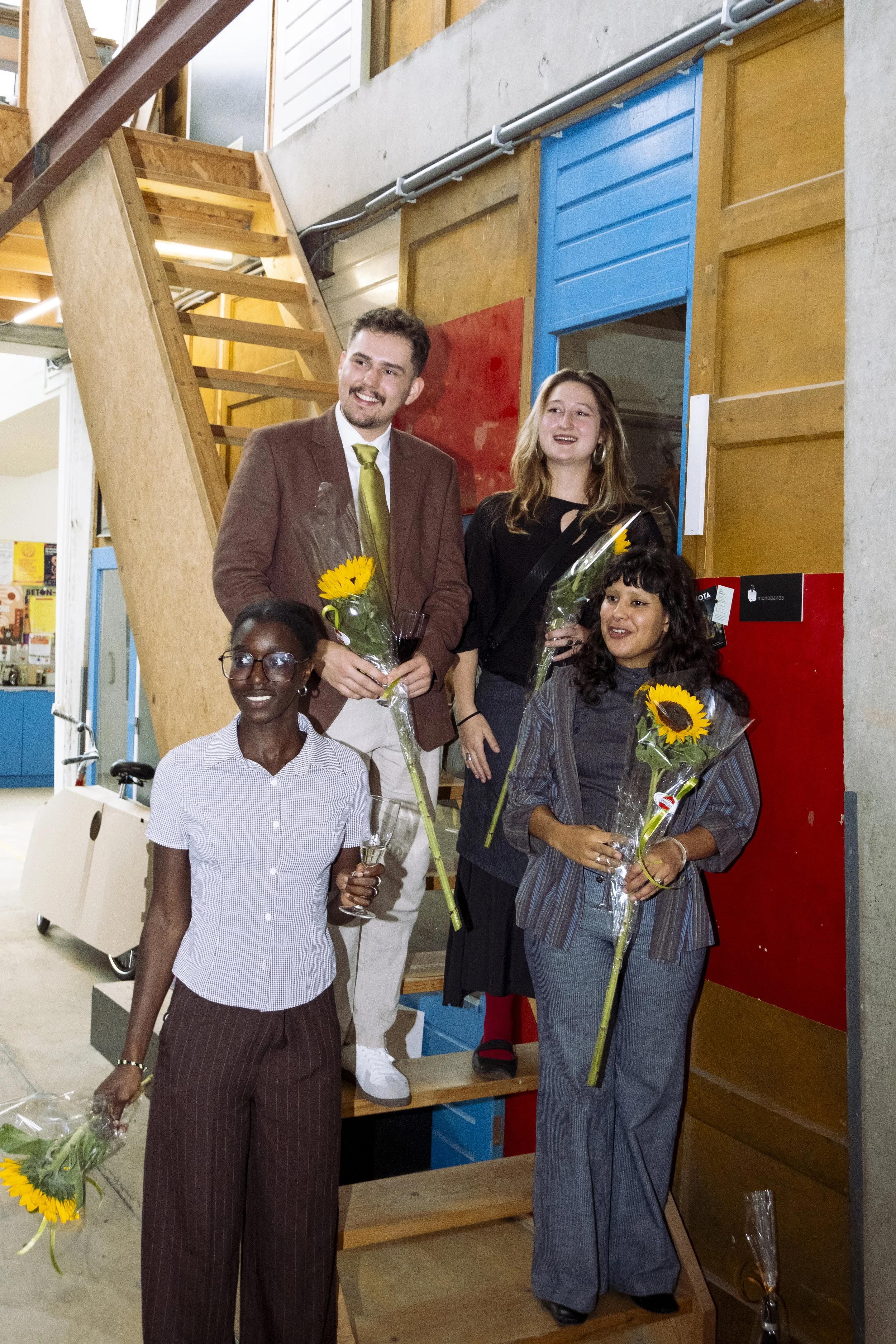
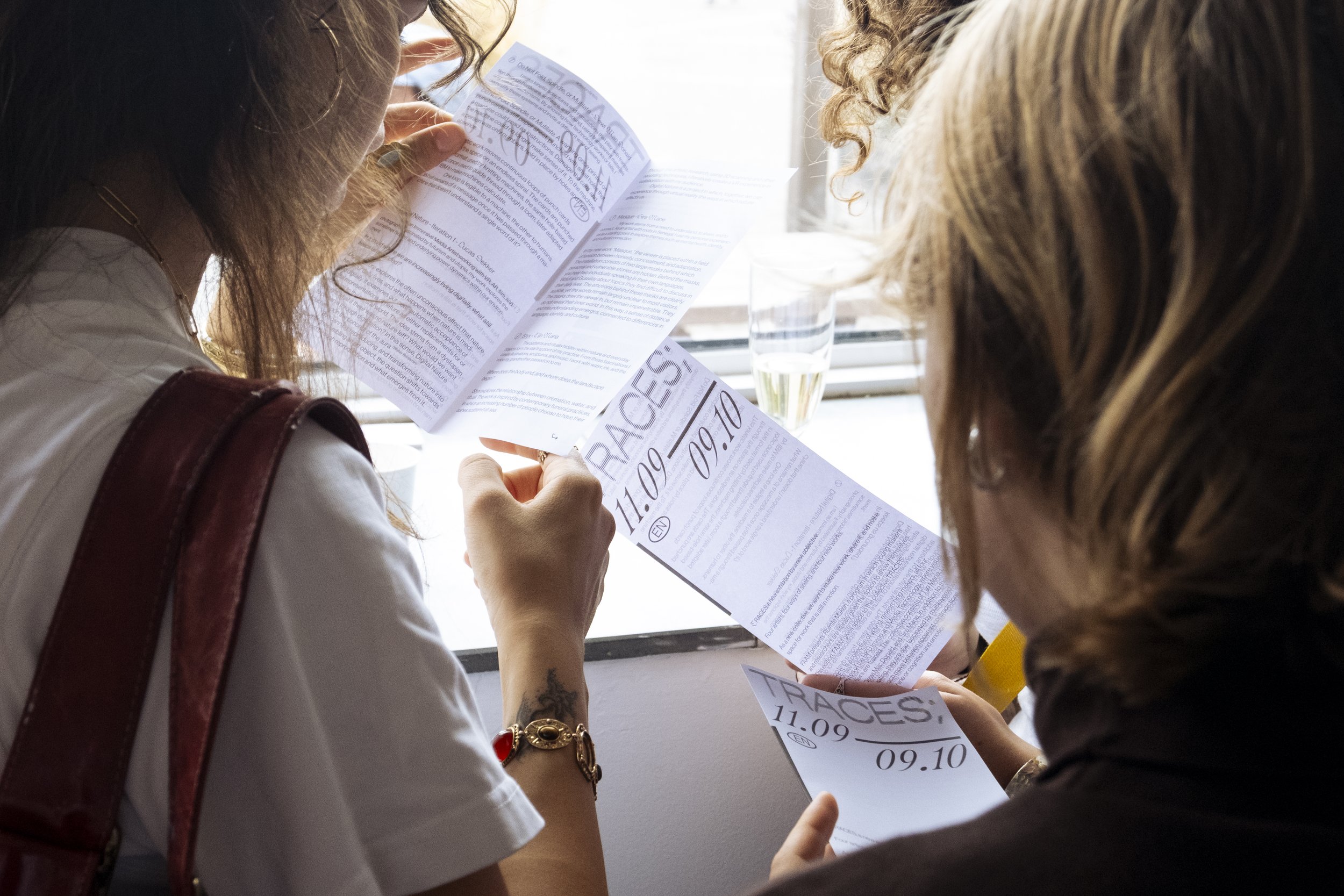
TRACES; a new exhibition by a new collective.
Four artists, four ways of seeing, and four new works. As a new collective, we want to make new work, share it, and make space for work that is still in motion.
FAAM presents Ruimte Maken, a program in which young makers and researchers are literally given the space to show themselves. This edition, FAAM gives space to the collective TRACES;.

Over ons / About
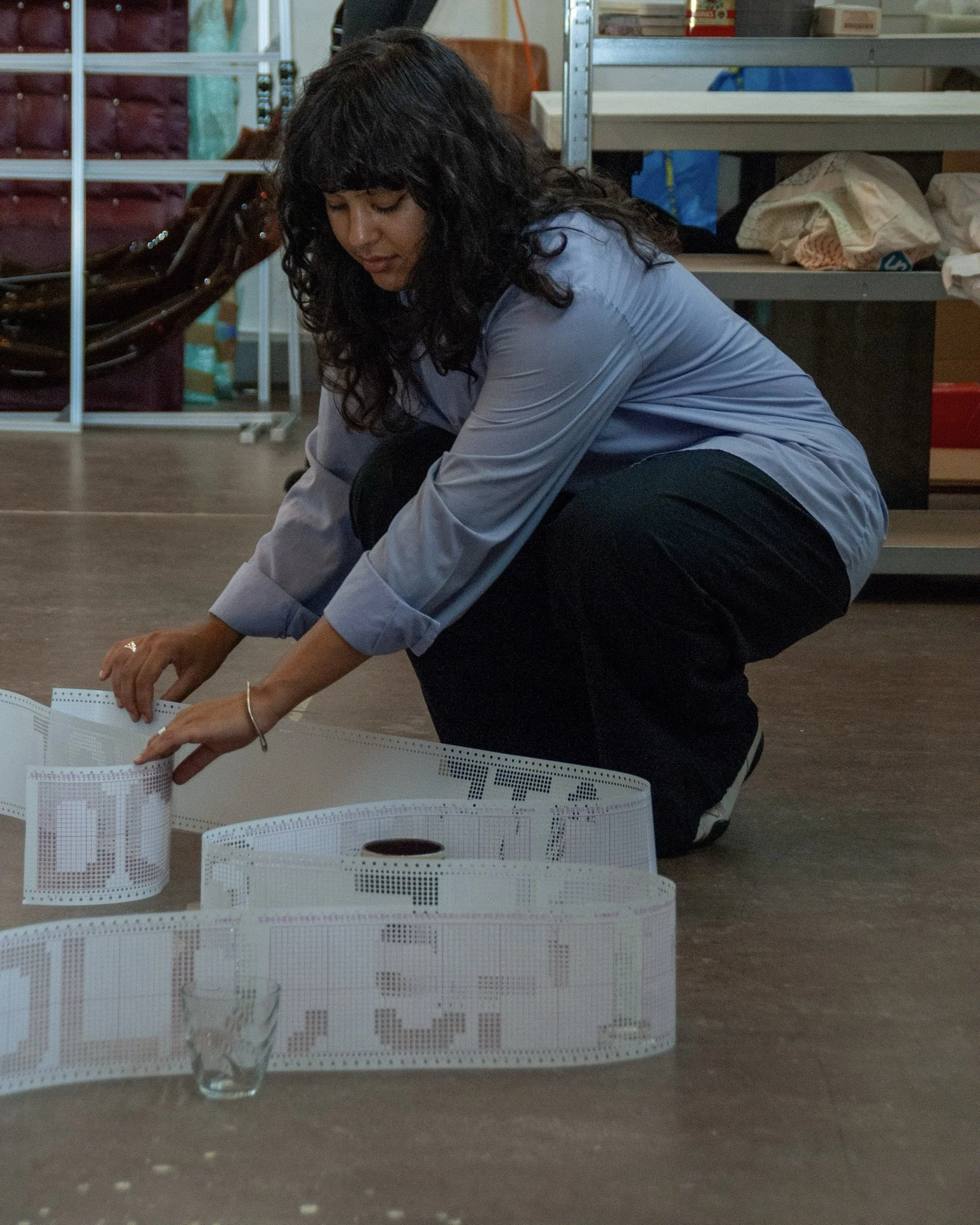
TRACES; is a collective of young, researching makers, all four graduates of the HKU Image and Media Technology, where visual storytellers are trained. The collective consists of Tijn Maria, Lucas Dekker, Dewi Mac Donald, and Siré Mane. In addition to their need to keep creating, they are also fascinated by multilayered work, in which they each move between apparent contradictions, such as man and machine or cognition and emotions.
Artiesten / Artists

Dewi Mac Donald
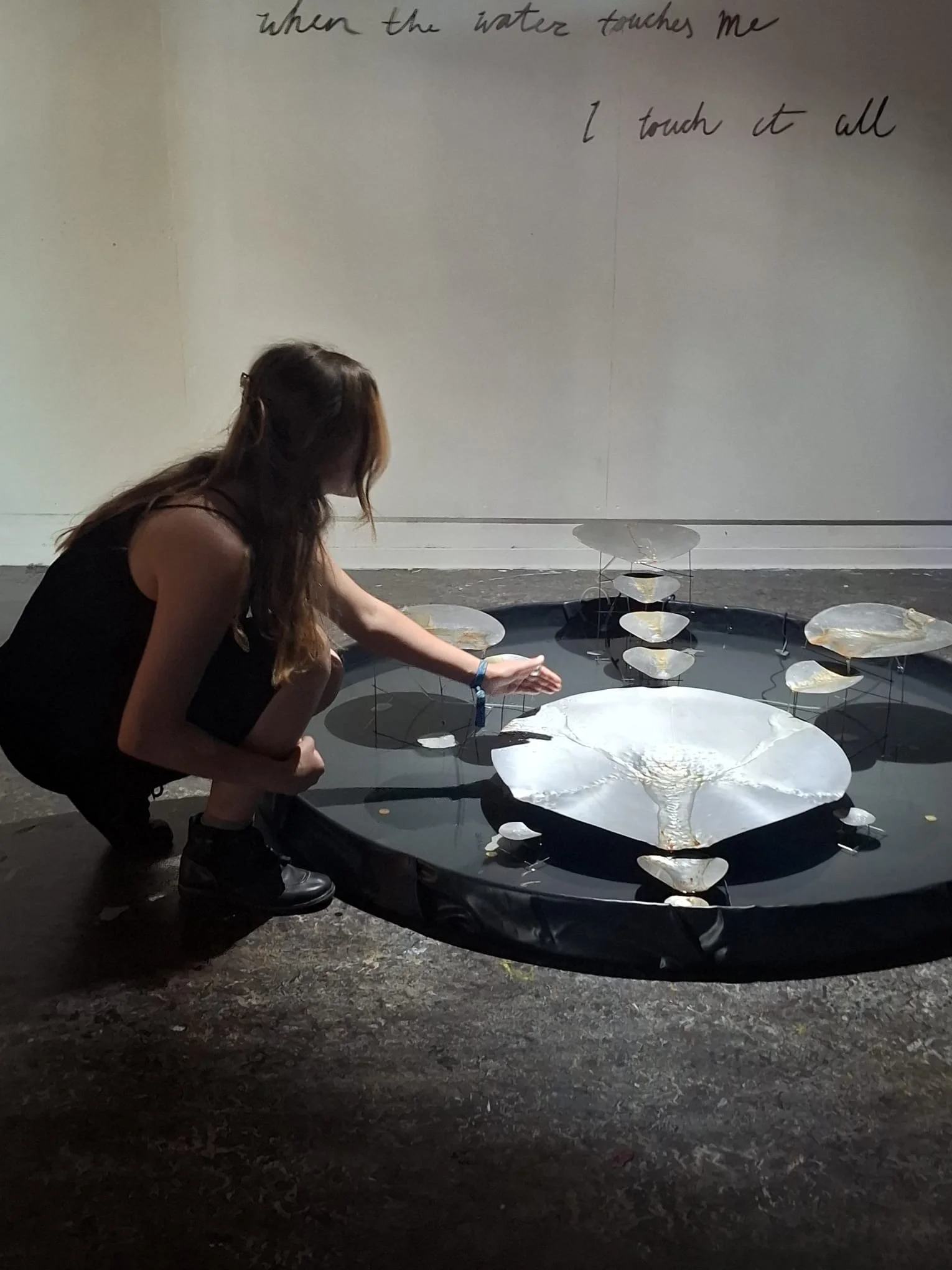
I make kinetic sculptures and installations that combine hardware, software, and sound, using transparent materials and visible mechanisms. By showing how technology works or fails, I demystify these systems and invite a different way of seeing.
Lucas Dekker
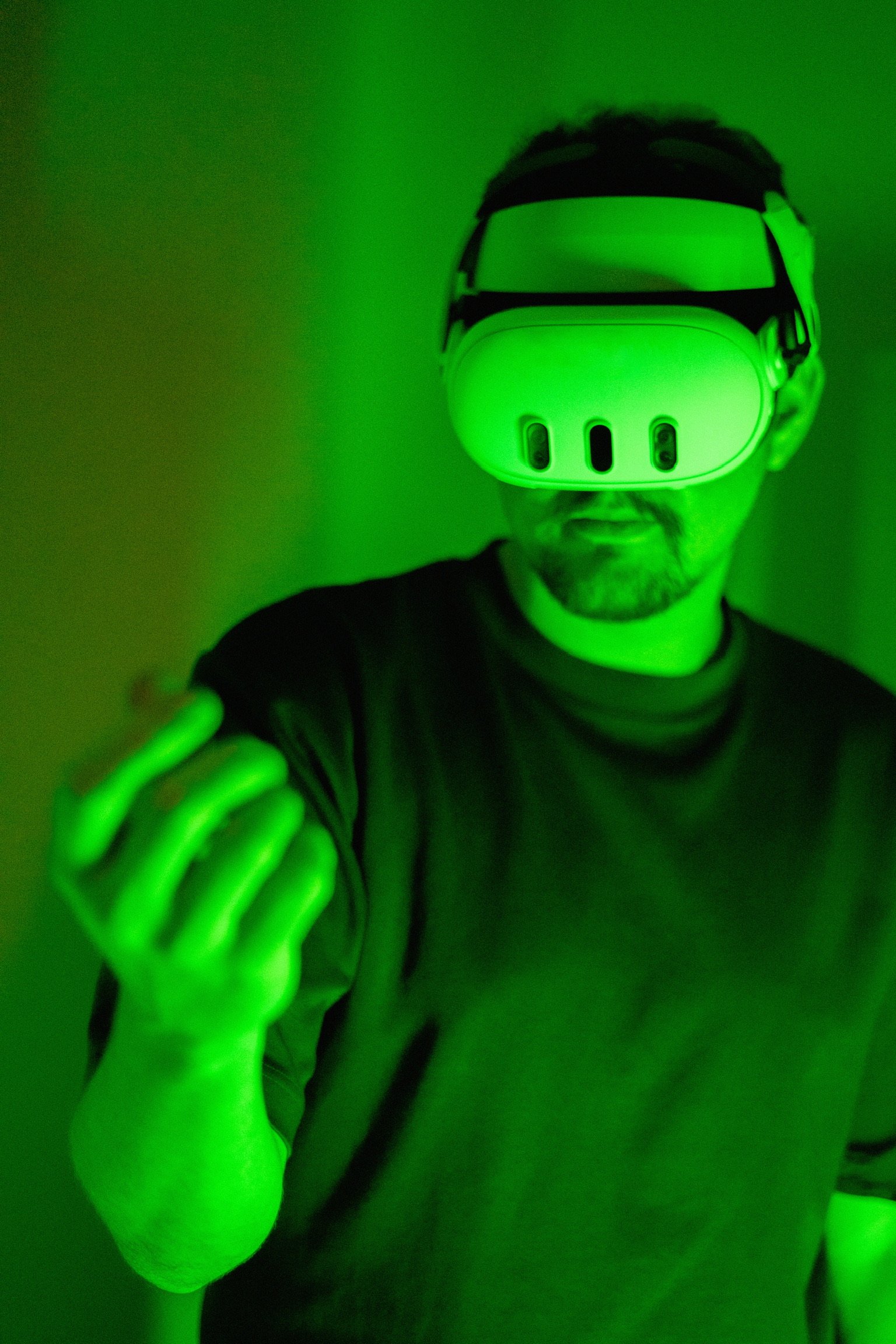
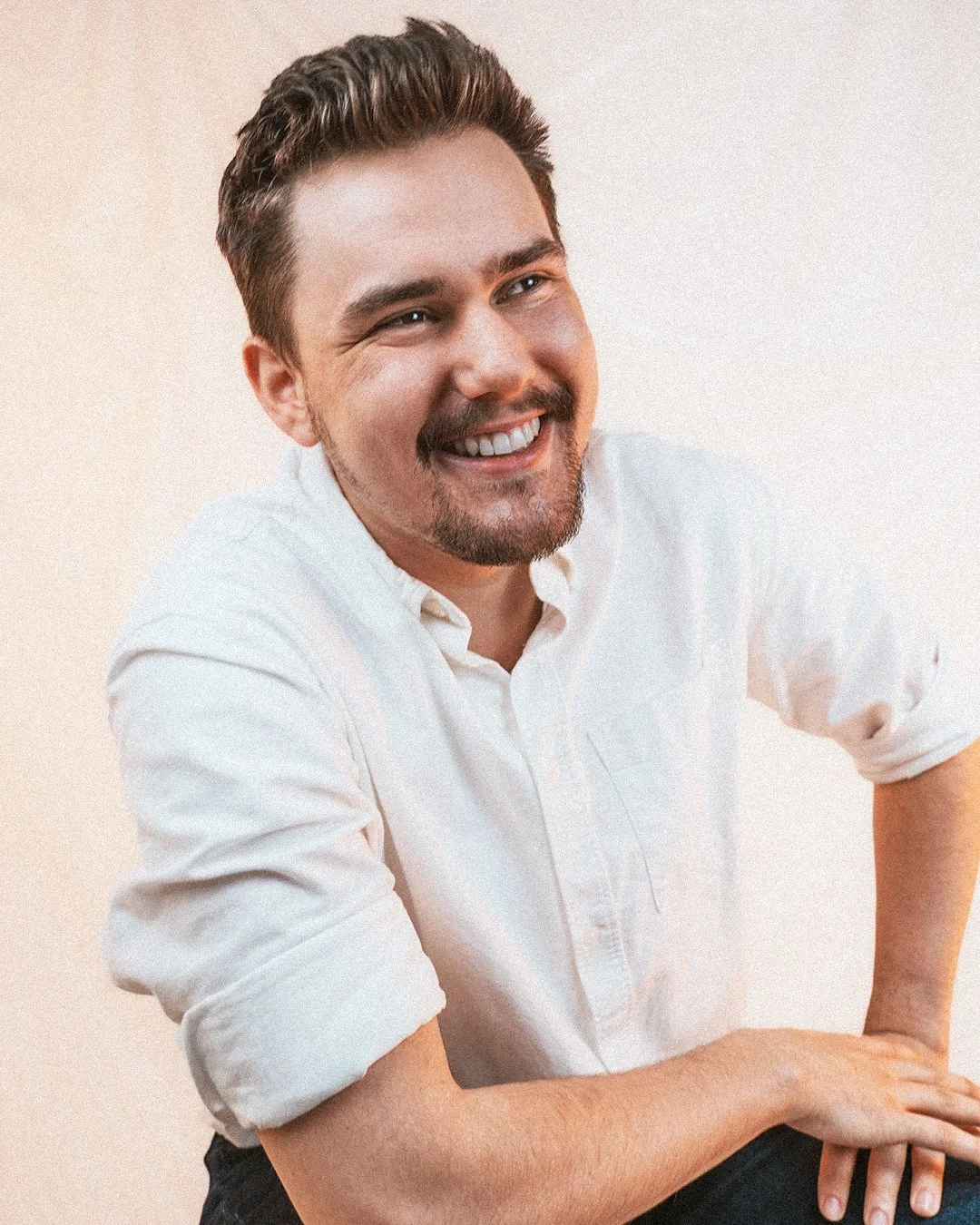
I am an Immersive Media Artist working with VR, AR, film, and photography. Fascinated by futurism and utopia, my work explores the sometimes hidden and underlying power dynamics within our environment.

Siré Mane
My work stems from a need to understand, to share, and to connect. As an artist with roots in Senegal, I use my personal experiences as a starting point to explore themes such as mental health, identity, and cultural connection.

Tijn Maria
The patterns and rituals hidden within nature and everyday objects form the starting point of my practice. From these fascinations I create illustrations, sculptures, and music. I work with water, ink, and the voice my grandmother passed on to me.
Werken / Works
Do Not Fold, Spindle, or Mutilate
Dewi Mac Donald
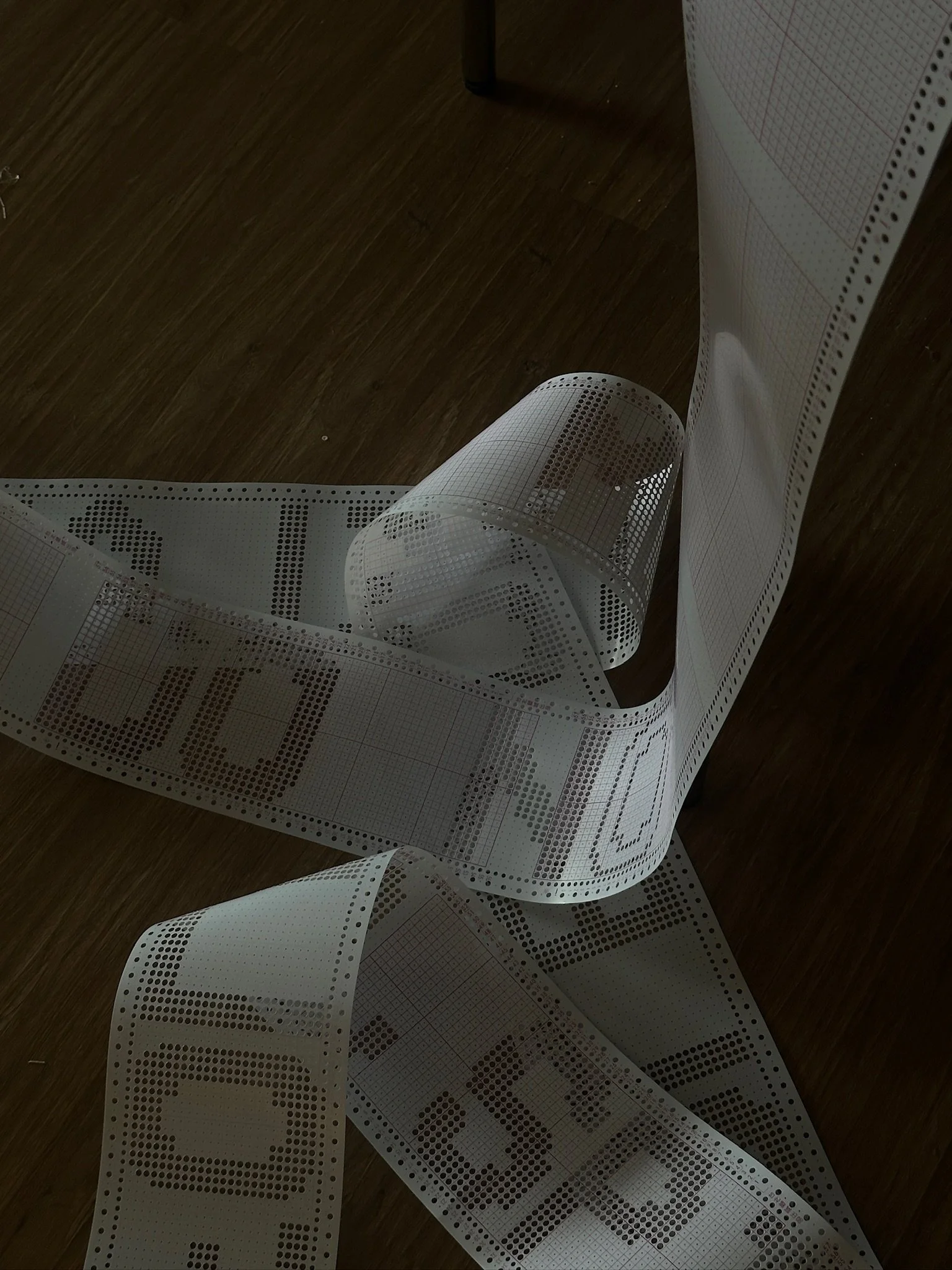
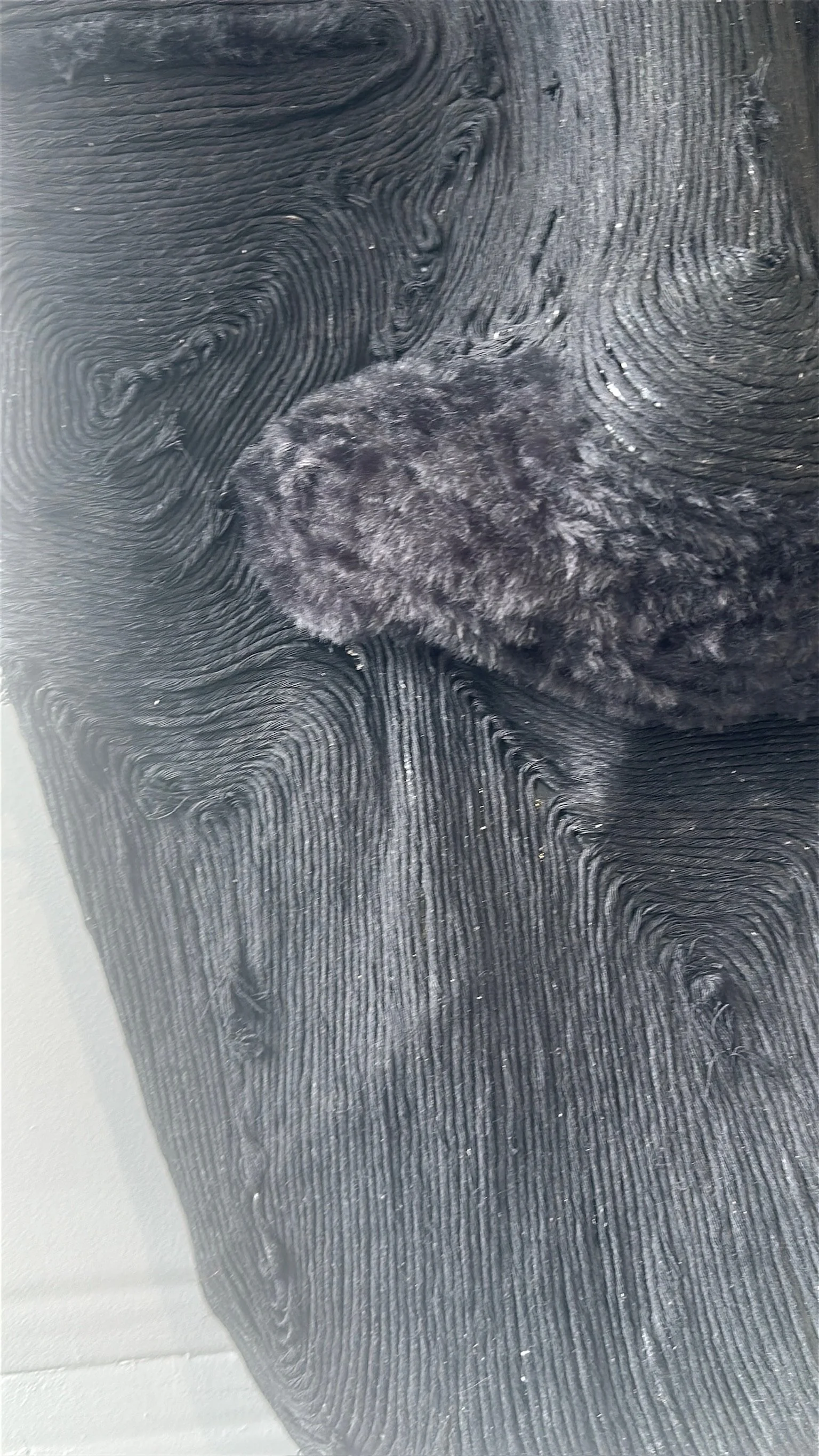
Do Not Fold, Spindle, or Mutilate. A warning once printed on punch cards; a stiff paper sheet, punched with small holes that a machine could read as instructions. Damage the card, and the machine could no longer make sense of it. To the machine, a person was only numbers, held in place by holes and their absence.
This kinetic work moves continuous loops of punch cards through the space on an endless spiral. The cards are punched in the format used by knitting machines, the same hole-based logic once used to guide thread through a loom, later adapted by IBM to make machines calculate.
One loop is legible to a machine, the other to humans. What remains of a message once it has passed through a machine that doesn't understand a single word of it?
Digital Nature — Iteration 1
Lucas Dekker
In a world where we are increasingly living digitally, what still keeps us grounded?
Digital Nature explores the often unconscious effect that nature has in our daily lives, and what happens when nature is mediated digitally. It examines our near automatic acceptance of digital representations of nature as either replacements for or additions to the natural world. The idea stems from a dystopian thought: what if there was no nature left? What would we want to preserve through digitization? In this sense, Digital Nature touches upon the concept of the aura (Walter Benjamin). By scanning, reproducing, and transforming nature into something resembling an art object, the question shifts towards what is lost through reproduction and what emerges from it.
Through this artistic research, using 3D scanning and other recording techniques, I iteratively create a VR experience in collaboration with my audience.
Digital Nature is a project in which, together, we can experience through virtual reality the ways in which nature affects us.
Masque
Siré Mane
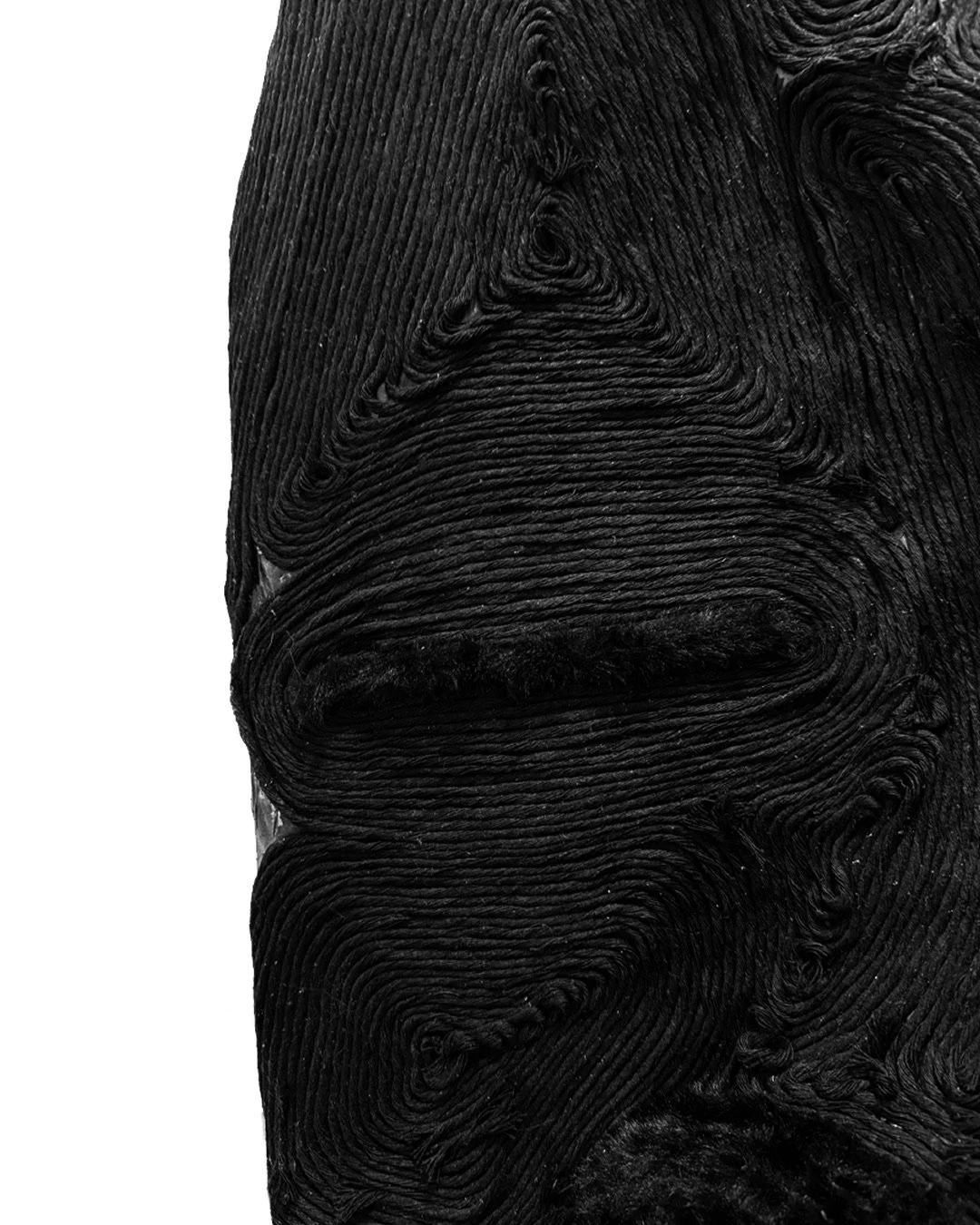
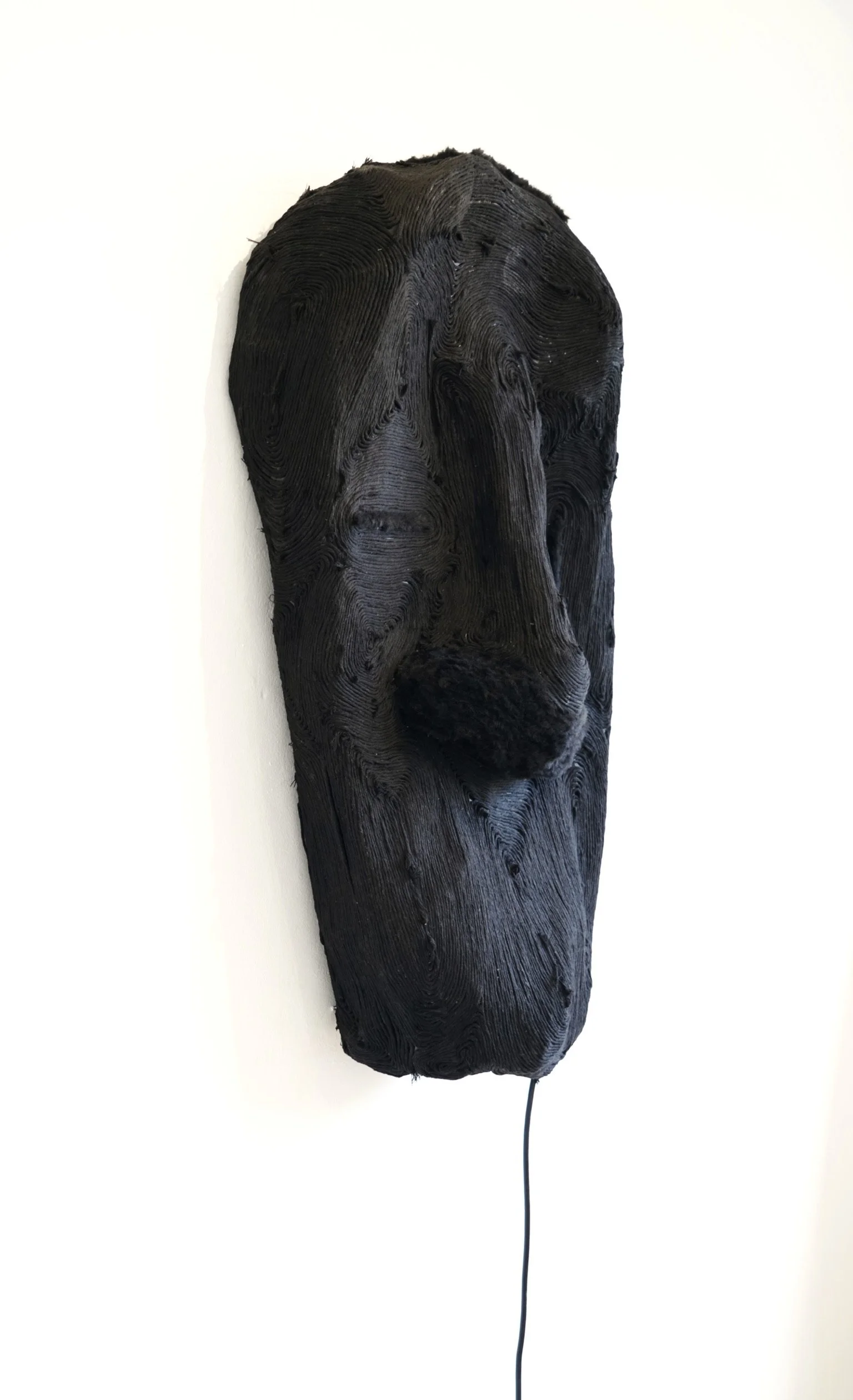
In my new work "Masque," the viewer is placed within a field of tension between honesty, concealment, and adaptation. The installation consists of two large masks behind which personal and vulnerable stories are hidden. Behind the masks, you hear two individuals speaking in their own languages Wolof and Gussiilay about topics they find difficult to discuss in their daily lives. The emotions behind these masks are clearly audible, yet the words remain largely unclear to most visitors. The masks draw the viewer in, but remain impenetrable. They do not reveal their inner world. In this way, a sense of distance and misunderstanding emerges, connected to differences in language, identity, and culture.
Styx
Tijn Maria
Where does the body end, and where does the landscape begin?
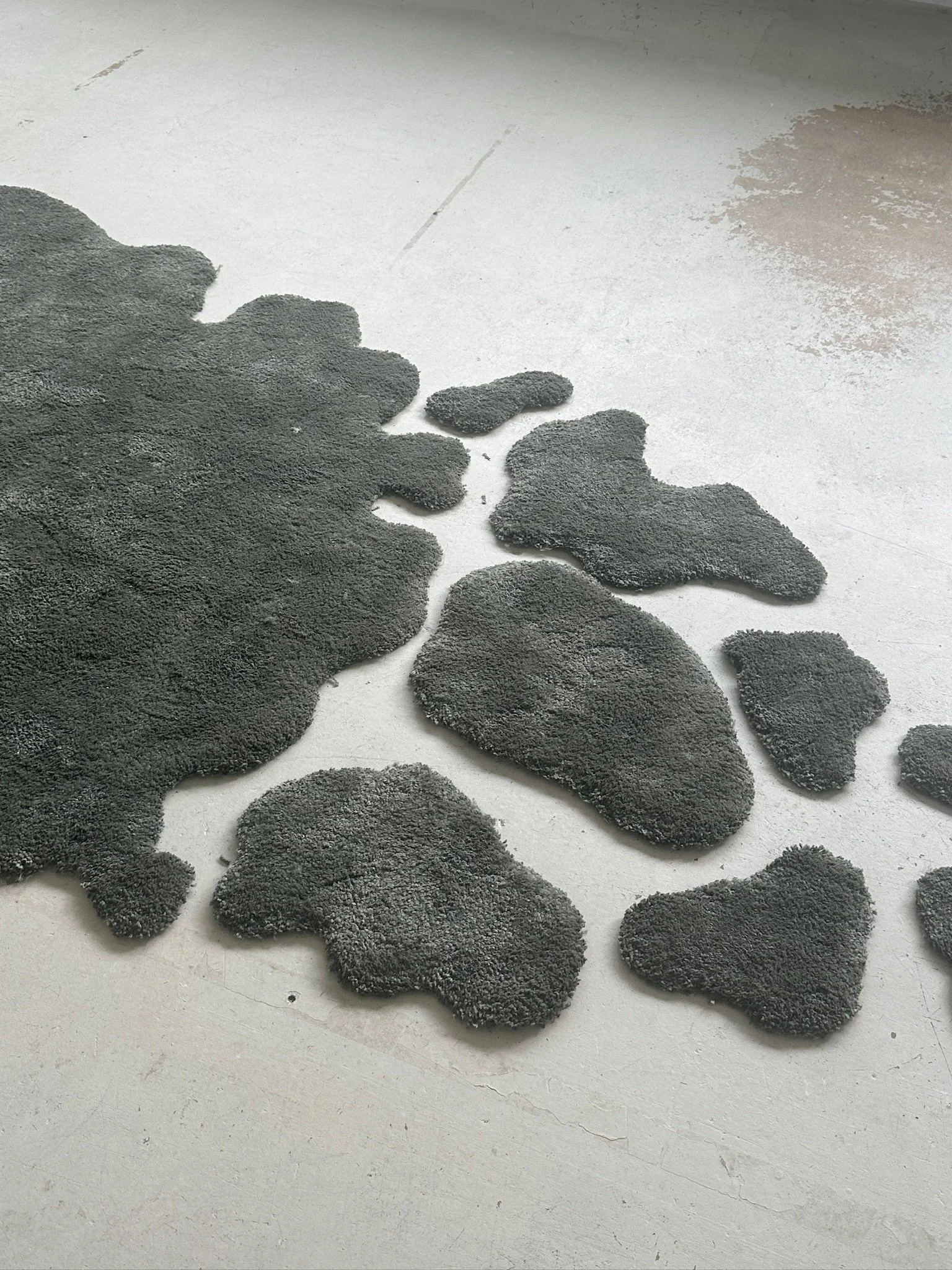
Styx explores the relationship between cremation, water, and ritual. The work is inspired by contemporary funeral practices, in which an increasing number of people choose to have their ashes scattered at sea. In this context, water becomes not only a final destination but also a symbol of transformation, continuity, and our connection to the natural world. At the same time, the work draws on the Greek myth of Charon, the ferryman who carried the dead across the River Styx into the afterlife. Both the myth and the contemporary practice of scattering ashes at sea position water as a space of transition. Styx reflects on the ways in which people may remain connected to the world after death. The work traces the passage from body to ash, and from ash to nature.
Mede mogelijk gemaakt door / Made possible by
Stichting FAAM, Gemeente Utrecht, Gemeente Amersfoort, Fentener van Vlissingen fonds
Special thanks to
Philip van der Heijden & Esther van Leeuwen